Publisher – Luna Press Publishing
Published – Out Now
Price – £14.99 paperback £5.99 ebook
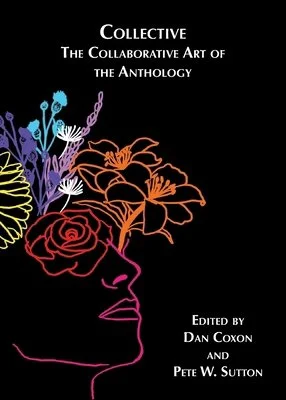
Collective gathers some of the most experienced and acclaimed editors currently working in genre fiction to discuss the practicalities of what they do, from pitching ideas to publishers, to deciding on the sequence the stories should appear in.
Focusing on the art of curation, it also explores the many different styles of anthology, including unthemed anthologies, writers' group publications, and 'Best of Year' compilations.
Together, these essays and interviews give some idea of the complex and unpredictable process of putting an anthology together - and act as a celebration of genre fiction's unsung heroes.
One of my highlights since I started reviewing is getting to appreciate a short story collection or anthology. From various ‘Best of xxx” to many anthologies based around some form of theme they open my eyes to different authors (many of whom I then follow future works) and appreciate the skill of storytelling in juts a few pages. How anthologies come about though is something few really know much about. In Collective - The Collaborative Art of The Anthology edited by Dan Coxon and Pete W Sutton we get a look behind the curtain as various editors lift the lid on how they work and create a very informative text on the creative process.
We start with Anne Vandermeer’s ‘Curating Creativity’ and for this a comparison with the editor is made with a casting director or a gallery curator. In this the working out which authors fit the desired goal of the anthology. A lot of the other contributors tend to say this is quite mysterious, but Vandermeer helps put some clues to how an editor knows what fits the wider goals of the book and how the ‘cast’ comes together to create something powerful.
In ‘Two’s Company: Editing As A Couple’ we have Paul Kane and Marie O’Regan lifting the lid on how they work together blending their skills but we also get a more detailed look at the process that includes things such as contracts, publishing timescales and the act of editing itself. There is also a look at where an editor tends to learn their craft in smaller presses.
We get a more autobiographical look back in Maxim Jakubowski’s ‘The Accidental Anthologist’ which details how over his long career Jakubowski appears to have fallen into the world of publishing but there is also a lot to be said in here about being in the right place for timing, his enthusiasm for the sub-genres he promotes and his contacts I the wider world that he could persuade to work with him. A reminder about the personal skills an editor may need to have too.
This ties nicely with Mark Morris’ ‘Fear of the Unknown: Keeping The Non-Themed Horror Anthology Series Alive’ where Morris details his love of the horror anthology that grew as a child, his exposure to the process as an author and then his various attempts to create his own that have recently culminated in the ABC of Horror series he has created to great acclaim. This essay does also underline the business side of the process and that anthologies need to sell to keep a series going but shows perseverance helps too.
Teika Marija Smits in their essay ‘ The Most Lovely of Literary Necklaces : On Editing A Themed Anthology’ links the role to a jeweller. From creating their design template, the selection of the stories and very importantly the placement of them in the wider text (confirming my view its always worth reading them in order!). It definitely helps see the role of editor also an artist here too.
A different role and purpose comes across in Neil Williamson’s “Bringing The Party – The Joy of Writer’s Group Anthologies’ which explore how a local writing group creates a short story collection as a bigger collaborative product. Here it is less the mass commercial focus but more the act of a writing community coming together that feels the stronger goal and working with peers in your group feels an intriguing experience.
While Allen Ashley in ‘Handling Submissions’ really explores the partnership aspect of an editor working with each author (and publisher) to create a better story for the anthology and each little lesson here feels very thoughtfully constructed.
Sophie Essex also explores the roles of a non-fiction and fiction editor in ‘ The Thrill of the Chase’ which explores running a micro-press and gives a better view of what each type of editor needs to look out for.
Defining the difficult target of ‘Best’ gets explored by Donna Scott in ‘Its Never Simply The Best -Editing The Best of British Science Fiction’ exploring how you go about creating an annual anthology defining a year’s themes, its writers, and then how you determine what a great story is from that longlist first created.
Finally in Lee Murray’s ‘Editing With Purpose: Cause and Community’ we move from Best to creating a passion project based around a theme that means a great deal to the editor and also the authors covering topics such as women’s rights, south Asian diaspora and mental health it is here creating an anthology to fully explore these topics means the editor needs a clear goal of what they want to achieve.
There are a couple of editor interviews as well. Ellen Datlow gives her thoughts on themed versus unthemed anthologies (which a variety of opinions are given across the book) and the role of editor as a gatekeeper. Then Steve J Shaw of Black Shuck Books explores again the power of personal relationships to help curate an anthology as well as having a passion for the subject as well.
Anyone thinking of editing an anthology should definitely consider picking up this book for these useful perspectives and insights while those of us who are interested in the process of publishing and storytelling would also do well to read this to help gain a view as to what a great anthology should be trying to deliver.